
Understanding the Connection Between Stress and Digestive Health

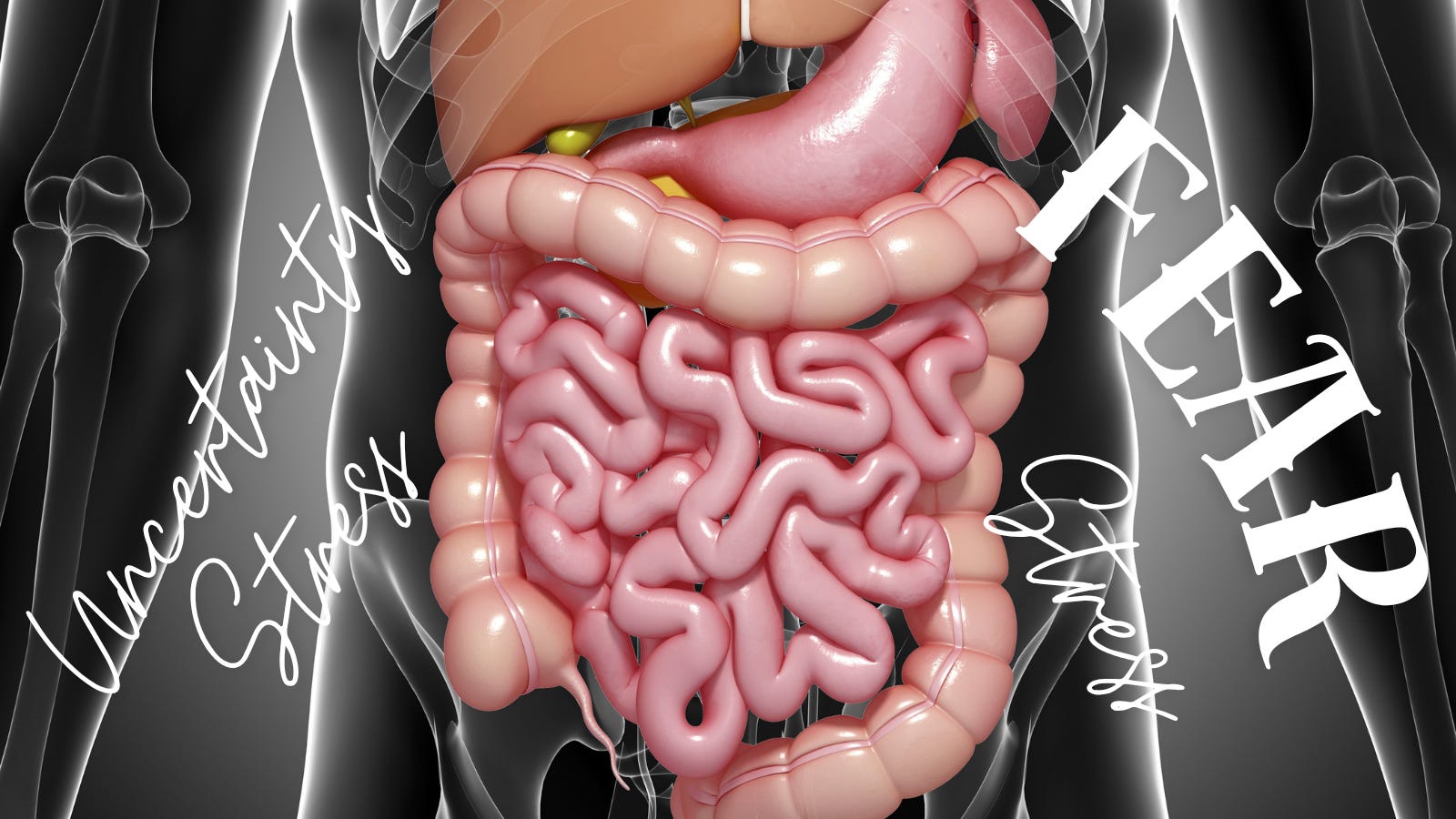
Have you ever noticed that your stomach seems to “know” when you’re under stress? Maybe you lose your appetite before an important meeting, develop stomach cramps during a difficult week, or experience bloating and changes in your bowel habits when life feels overwhelming. These experiences are not “just in your head.” They reflect the close relationship between your brain and your digestive system.
Your brain and digestive tract are connected through what scientists call the gut–brain axis, a constant two-way conversation between your nervous system, hormones, immune system, and the trillions of bacteria living in your intestines. This communication system helps explain why emotional stress can affect digestion and why digestive problems can also influence your mood, energy, and ability to cope with stress.
What Happens During Stress?
When your body perceives stress—whether it’s a looming deadline, lack of sleep, illness, or ongoing emotional strain—it shifts into “survival mode.” Stress hormones such as cortisol and adrenaline prepare you to respond to a challenge, but they also temporarily place digestion on the back burner.
As a result, stress can:
Slow or speed the movement of food through your digestive tract, leading to constipation, diarrhea, or both.
Reduce stomach acid and digestive enzyme production, making it more difficult to fully digest and absorb nutrients.
Increase the sensitivity of your digestive tract, causing normal amounts of gas or intestinal movement to feel painful.
Alter the balance of beneficial bacteria in your gut.
Increase inflammation and make the intestinal lining more permeable, allowing substances to cross the gut barrier that normally would not.
These changes are helpful during a true emergency—but when stress becomes chronic, they can contribute to ongoing digestive symptoms.
Common Symptoms
Stress affects each person differently, but many people experience:
Bloating or excessive gas
Abdominal discomfort or cramping
Heartburn or reflux
Nausea
Diarrhea or constipation
Appetite changes
Feeling overly full after eating
Fatigue after meals
For individuals who already have digestive conditions such as irritable bowel syndrome (IBS), stress often makes symptoms more noticeable and more frequent.
Your Gut Microbiome Matters
Your digestive tract is home to trillions of beneficial bacteria that help digest food, produce vitamins, regulate your immune system, and communicate with your brain.
When you’re under chronic stress, the balance of these bacteria can change. This may increase inflammation, reduce digestive efficiency, and make it harder for your body to recover from illness or maintain healthy digestion.
In many ways, your gut microbiome acts like another organ, one that responds to what you eat, how well you sleep, how physically active you are, and how much stress you’re carrying.
The Stress–Gut Cycle
Stress and digestive symptoms often create a cycle:
Stress changes how your digestive system works.
Digestive symptoms become uncomfortable and frustrating.
Worry about those symptoms creates even more stress.
Increased stress further disrupts digestion.
Breaking this cycle means caring for both your digestive system and your stress response.
A Thought Worth Considering
Many years ago, I read a book called You Can Heal Your Life by Louise Hay. Although it was first published in 1984 (following her earlier work Heal Your Body in 1978) and is not a scientific text, one idea has stayed with me throughout my career.
She described gastrointestinal distress as sometimes reflecting “undigested ideas” or “prolonged uncertainty,” particularly during times of fear, worry, or major life change. While modern research would use different language, I find it interesting that today’s science has confirmed a remarkably strong connection between emotional stress and digestive function through the gut–brain axis.
I am not suggesting that people are responsible for becoming ill because of their thoughts. Digestive conditions are complex and involve genetics, nutrition, the gut microbiome, hormones, immune function, medical conditions, and many other factors. However, our emotional well-being is a large piece of that larger puzzle.
When I work with clients, I often encourage them to ask themselves a few gentle questions:
Is there something in my life that feels unresolved?
Am I carrying more stress than I realize?
Am I navigating a significant change or uncertainty?
What might my body be trying to tell me?
These questions aren’t meant to replace medical evaluation or evidence-based nutrition care. Instead, they invite curiosity and self-awareness. Sometimes, acknowledging the emotional side of healing is just as important as improving nutrition, supporting the microbiome, or addressing physical symptoms.
I’ve found that true healing often happens when we care for the whole person—body, mind, and spirit—rather than focusing on any one piece in isolation.
Small Changes Can Make a Big Difference
Supporting digestive health doesn’t require perfection. Consistent, sustainable habits often have the greatest impact.
Some strategies that can help include:
Eating regular, balanced meals throughout the day.
Prioritizing adequate protein and fiber to nourish both your body and your gut microbiome.
Drinking enough fluids.
Getting regular physical activity, even if it’s just a daily walk.
Prioritizing restorative sleep.
Taking time to slow down during meals by chewing thoroughly and eating without distractions whenever possible.
Practicing simple stress-management techniques such as deep breathing, mindfulness, prayer, meditation, or spending time outdoors.
My Perspective
One of the most important things I want my clients to understand is that digestive symptoms are rarely caused by just one thing. Nutrition, stress, sleep, hormones, physical activity, medications, and your gut microbiome all work together.
When we improve your nutrition while also helping your nervous system feel safe and supported, your digestive system often responds remarkably well. My goal is not simply to relieve symptoms, but to help restore the conditions your body needs to heal.
Remember, your body is always communicating with you. Rather than viewing digestive symptoms as something to fight against, we can learn to see them as important clues that guide us toward better health. Together, we’ll identify the underlying contributors and build a plan that supports your whole body, not just your digestive tract.